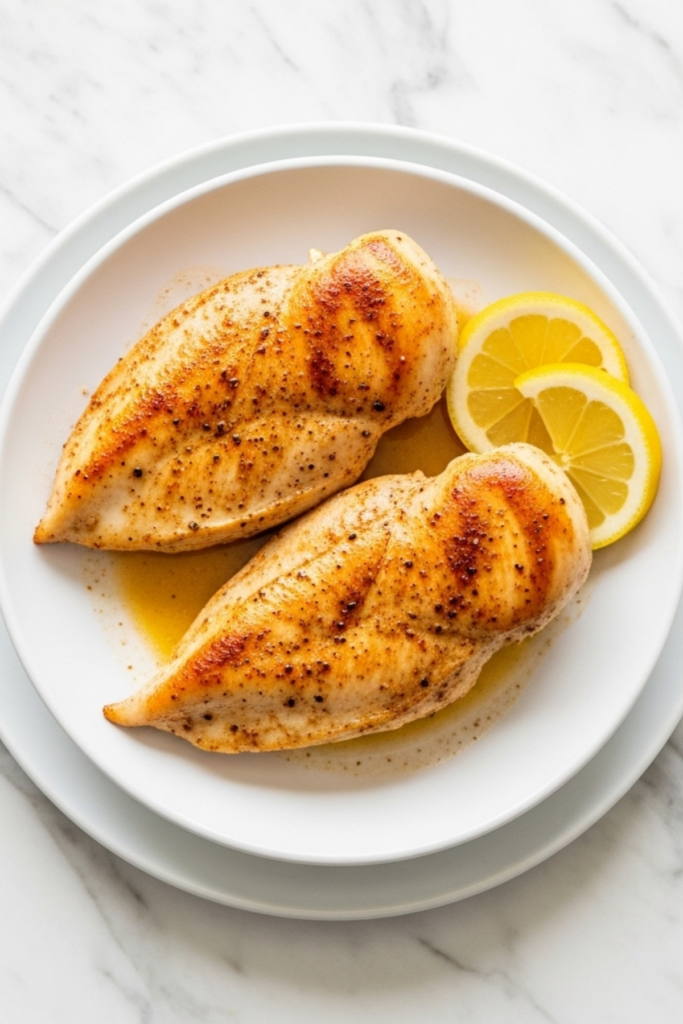
I’ve cooked chicken breasts more times than I can count, and dry ones still annoy me every single time. This method is the one I come back to when I want tender meat, real flavor, and zero stress. It’s simple, steady, and kind to the chicken, which makes all the difference.
I’m not chasing fancy tricks here. Just good heat, smart timing, and a few habits that protect the juices instead of chasing them away. Once you learn this flow, juicy chicken stops feeling like luck.
Ingredients Needed for the Recipe
Boneless chicken breasts – the main protein, cooked gently so they stay moist.
Cooking oil – helps the chicken brown without sticking or burning.
Salt – seasons the meat all the way through, not just on the surface.
Garlic powder – adds savory depth without overpowering the chicken.
Onion powder – rounds out the flavor and balances the seasoning.
Smoked paprika – gives color and a subtle smoky warmth.
Black pepper – adds light heat and sharpness.
Water or broth – creates gentle steam that finishes cooking evenly.
How to make Juicy Chicken Breasts?
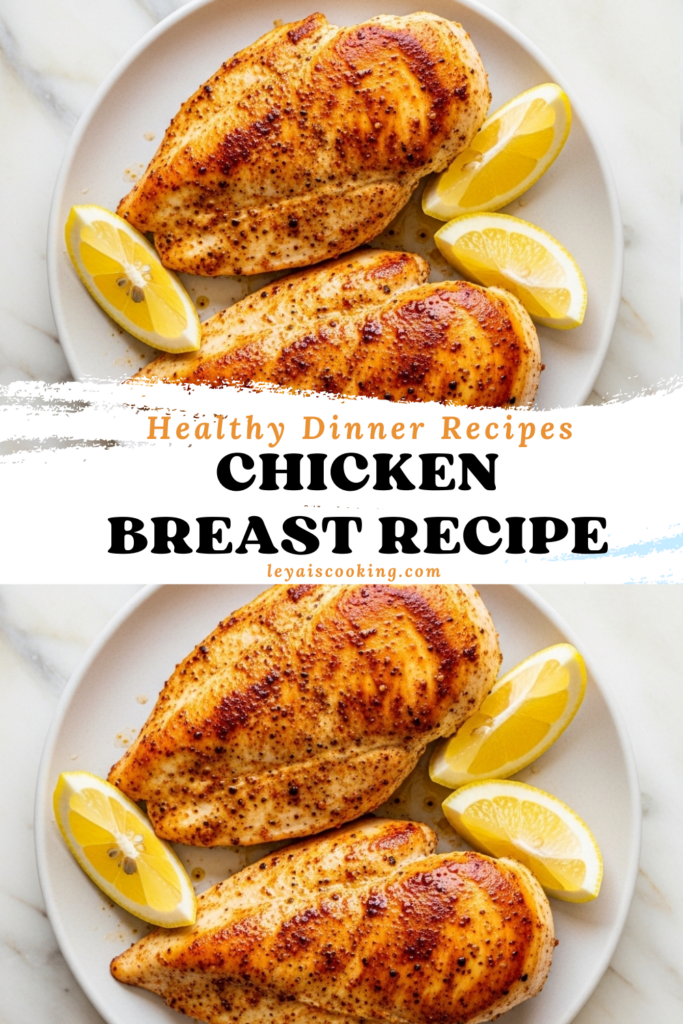
"Make this recipe yours—just save it to your Pinterest!"
Step 1 – Prepare the Chicken
I start by patting the chicken dry so the seasoning sticks properly. If the breasts are thick, I lightly flatten them to even things out. That small step keeps one side from drying while the other catches up.
Step 2 – Season with Intention
I season both sides generously, making sure every corner gets attention. This isn’t about heavy spice, it’s about even flavor from edge to edge. The paprika also helps the chicken look as good as it tastes.
Step 3 – Sear Without Disturbing
I heat the oil until it shimmers, then place the chicken in carefully. Once it hits the pan, I leave it alone for a few minutes. That quiet time builds a golden surface that locks in moisture.
Step 4 – Cover and Cook Gently
After flipping, I lower the heat and add a small splash of liquid. The lid goes on, trapping steam that cooks the inside slowly. This is where dry chicken turns into something soft and forgiving.
Step 5 – Rest Before Cutting
When the chicken is done, I move it to a plate and loosely cover it. A short rest lets the juices settle back into the meat. Cutting too early is how all that work leaks away.
Why This Method Works So Well?
Chicken breasts dry out when heat moves faster than moisture can keep up. By combining a quick sear with gentle covered cooking, the temperature stays calm. The meat cooks through without squeezing itself dry.
The lid matters more than people think. It turns a regular pan into a soft cooking space instead of a harsh one. That trapped steam is quiet, steady, and very effective.
Tips
Let the chicken sit out for a few minutes before cooking so it heats evenly.
Don’t overcrowd the pan, or the chicken will steam instead of sear.
Keep the heat lower once the lid goes on to avoid tough meat.
Save any pan juices and spoon them over the chicken before serving.
Flavor Variations I Love
Sometimes I swap the spice mix for a more herby direction. Dried thyme, oregano, and a touch of lemon peel work beautifully. The method stays the same, only the mood changes.
For bolder nights, I add a little chili heat or smoked seasoning. The chicken stays juicy no matter the flavor path. That flexibility is why I trust this approach.
Serving Ideas That Make It Shine
I often slice the chicken and serve it over warm grains or greens. The juices act like a built-in sauce without extra effort. It’s comforting but still feels light.
It also works well tucked into wraps, sandwiches, or quick bowls. Cold leftovers stay surprisingly tender the next day. That alone makes this recipe worth keeping around.
When chicken breasts stop being dry and disappointing, cooking feels easier. This method keeps things calm, reliable, and honestly enjoyable. Once you try it, juicy chicken becomes the rule, not the exception.
I’ve been using this incredible chicken breast recipe for years, and it never fails! It’s quick, easy, and guarantees the juiciest, most tender chicken breasts. This is my failproof method for cooking chicken breasts—perfect if you’re tired of dry, overcooked results. The secret? Sear one side, flip, then gently finish cooking with a lid to lock in moisture.
ingredients
1.5pounds boneless, skinless chicken breasts (about 680g total, or 4 pieces (6 oz each))
1tbsp avocado oil (or other high-heat cooking oil)
salt (to taste (approx. ¼ tsp per breast))
1tsp chili powder (store-bought or homemade)
1tsp garlic powder
1tsp onion powder
0.5tsp smoked paprika
0.5tsp ground black pepper
0.5 lemon (quartered, optional for serving)
Instructions
1
Set aside a wide oven-safe skillet with a lid. If your skillet doesn’t have a lid, prepare a sheet of aluminum foil to cover it.
2
Take the chicken out of the refrigerator and season both sides generously with salt.
3
In a small bowl, combine chili powder, garlic powder, onion powder, smoked paprika, and black pepper to make the spice rub. Liberally coat the chicken on all sides with this mixture.
4
Heat avocado oil in the skillet over medium-high heat. Once the oil is shimmering, add the chicken breasts. Cook undisturbed for 2–3 minutes until golden brown on the bottom.
5
Flip the chicken, reduce the heat to low, and add 2–3 tablespoons of water or chicken broth to the pan.
6
Cover the skillet with a lid or tightly with foil. Cook for 10–15 minutes, or until an instant-read thermometer inserted into the thickest part reads 165°F (74°C).
7
Transfer the chicken to a plate, loosely tent with foil, and let rest for 5 minutes before slicing or serving. Serve with pan drippings and lemon wedges if desired.
Nutrition Facts
Servings 4
Serving Size 1/4 of the recipe (about 6 ounces)
Amount Per Serving
Calories208kcal
% Daily Value *
Total Fat4.6g8%
Saturated Fat1g5%
Cholesterol124.1mg42%
Sodium387mg17%
Total Carbohydrate0.9g1%
Dietary Fiber0.3g2%
Sugars0.1g
Protein38.5g77%
* Percent Daily Values are based on a 2,000 calorie diet. Your daily value may be higher or lower depending on your calorie needs.
Note
For even cooking: If your chicken breasts are very thick, pound them to an even ¾-inch thickness before seasoning.
Liquid options: Use water, chicken stock, or white wine when covering the skillet—it adds subtle flavor and keeps steam circulating.
Serving idea: Pair with mashed cauliflower, roasted asparagus, or a fresh salad with tahini or ranch dressing.
Storage: Leftovers keep well in the fridge for up to 3 days. Reheat gently to retain moisture.
Pin this recipe to share with your friends and followers.
Christopher Nolan
Food and Lifestyle Blogger
Hi, I'm Samantha, a full-time food blogger, mother of 2 beautiful daughters and a lovely wife. I live in New Jersey with my family. Loves traveling, sharing new recipes, and spending time with my family.